
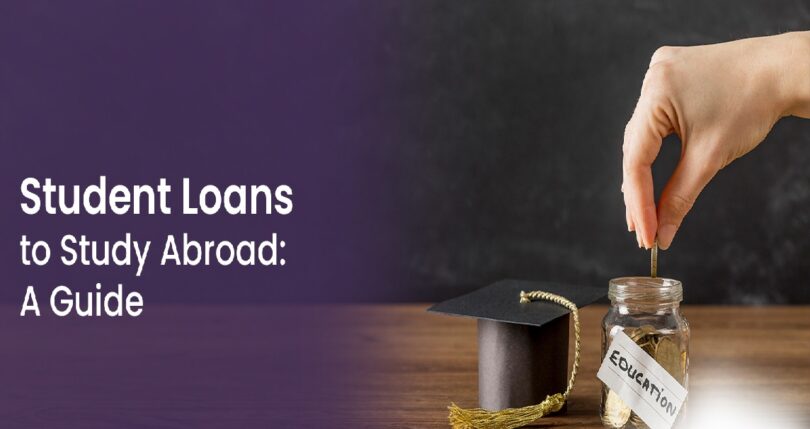
Studying abroad is a life-changing opportunity that opens doors to global careers, higher earning potential, and personal growth. However, one of the biggest challenges for many students especially from developing countries is financing international education.
Tuition fees, accommodation, travel costs, and living expenses can easily reach tens of thousands of dollars per year. While scholarships and grants help, they are often limited and highly competitive. This is where student loans without collateral become an essential option.
In this comprehensive 2026 guide, you will learn:
- What collateral-free student loans are
- How they work for international students
- Eligibility requirements
- Countries and lenders offering such loans
- Step-by-step application process
- Interest rates and repayment terms
- Tips to improve approval chances
- Common mistakes to avoid
- A short FAQ section
What Is a Student Loan Without Collateral?
A collateral-free student loan is a type of education financing that does not require you to pledge assets such as:
- Land or property
- Fixed deposits
- Vehicles
- Investments
Instead of collateral, lenders assess:
- Your academic profile
- Admission to a recognized institution
- Future earning potential
- Creditworthiness (or that of a co-signer)
These loans are often referred to as:
- Unsecured education loans
- No-collateral student loans
- Study abroad financing without assets
Why Students Prefer Collateral-Free Loans
Many students opt for unsecured loans due to the following advantages:
No Need for Assets
You don’t need to own property or provide financial security.
Faster Approval Process
Documentation is typically simpler compared to secured loans.
Accessibility for More Students
Students from middle-income or low-income families can access funding.
Flexibility
Many lenders offer flexible repayment options and grace periods.
Countries Where You Can Get Student Loans Without Collateral
Several countries offer financial solutions for international students.
United States
The U.S. has a wide range of private lenders offering no-collateral loans, often requiring a co-signer.
United Kingdom
Students can access loans through international lenders or country-specific financing options.
Canada
Canadian institutions partner with global lenders to provide student financing options.
Australia
International students may access loans through private institutions and fintech platforms.
Types of Collateral-Free Student Loans
Understanding the different loan structures helps you choose the best option.
1. Private International Student Loans
Offered by financial institutions and fintech companies.
Features:
- Flexible repayment terms
- May require a co-signer
- Competitive interest rates for strong applicants
2. Government-Supported Loans
Some countries offer education loans for citizens studying abroad.
Features:
- Lower interest rates
- Subsidized repayment options
- Limited eligibility
3. Income-Based Financing (IBF)
Instead of traditional loans, you repay based on your future income.
Features:
- No fixed EMI initially
- Payments tied to salary
- Flexible repayment
4. University Partner Loans
Some universities collaborate with lenders to offer financing.
Features:
- Easier approval
- Tailored repayment plans
Eligibility Requirements
While requirements vary by lender, common criteria include:
Academic Admission
You must have an offer letter from a recognized institution.
Course Selection
Programs in high-demand fields (e.g., IT, healthcare, engineering) improve approval chances.
Credit Profile
- Strong academic record
- Credit history (if available)
- Co-signer credit score (if required)
Co-Signer (Optional or Required)
Some lenders require a co-signer, especially for high loan amounts.
Nationality and Residency
Eligibility may depend on your home country.
Documents Required
Typical documentation includes:
- Admission letter
- Academic transcripts
- Passport
- Statement of purpose
- Proof of income (or co-signer income)
- Bank statements
- Credit reports (if applicable)
Step-by-Step Guide to Apply for a Student Loan Without Collateral
Step 1: Research Lenders
Compare different lenders based on:
- Interest rates
- Repayment terms
- Eligibility criteria
Step 2: Check Eligibility
Ensure you meet academic, financial, and program requirements.
Step 3: Gather Documents
Prepare all required documents in advance to speed up processing.
Step 4: Submit Application
Apply online or through a financial advisor.
Step 5: Loan Assessment
The lender evaluates your profile and may request additional information.
Step 6: Loan Approval
Once approved, you will receive a loan offer.
Step 7: Disbursement
Funds are typically paid directly to the university.
Interest Rates and Repayment Terms
Interest Rates
- Typically range between 8% and 15% annually
- Vary based on lender and applicant profile
Repayment Options
- Deferred repayment (after graduation)
- Partial payment during studies
- Immediate repayment
Loan Tenure
- Usually 5 to 15 years
How to Increase Your Chances of Approval
Choose High-Demand Courses
Fields like technology, healthcare, and engineering improve employability.
Maintain Strong Academic Records
Good grades signal reliability and future earning potential.
Apply to Recognized Universities
Top-ranked institutions increase lender confidence.
Consider a Co-Signer
A financially strong co-signer can improve approval chances.
Build a Financial Plan
Show how you intend to repay the loan.
Common Mistakes to Avoid
Applying Without Research
Not comparing lenders can lead to higher costs.
Ignoring Interest Rates
Small differences can significantly affect total repayment.
Missing Documentation
Incomplete applications can delay approval.
Overborrowing
Only borrow what you need to avoid financial stress.
Alternatives to Student Loans
If loans are not suitable, consider:
Scholarships
Merit-based and need-based funding.
Grants
Non-repayable financial aid.
Part-Time Work
Many countries allow students to work part-time.
Sponsorship Programs
Employer or government sponsorships.
Pros and Cons of Collateral-Free Student Loans
Pros
- No asset requirement
- Accessible to more students
- Faster processing
- Flexible repayment
Cons
- Higher interest rates
- May require co-signer
- Strict eligibility criteria
Cost of Studying Abroad (Estimated)
| Country | Annual Cost |
|---|---|
| USA | $25,000 – $70,000 |
| UK | $20,000 – $50,000 |
| Canada | $18,000 – $40,000 |
| Australia | $20,000 – $45,000 |
Loans can help cover these costs effectively.
Financial Planning Tips
- Create a realistic budget
- Track expenses
- Save where possible
- Plan for repayment early
Long-Term Benefits of Studying Abroad
- Higher earning potential
- Global career opportunities
- International exposure
- Skill development
Investing in education can provide long-term financial returns.
Frequently Asked Questions (FAQ)
Can I get a student loan without collateral?
Yes, many lenders offer unsecured student loans based on academic and financial profiles.
Do I need a co-signer?
Some lenders require a co-signer, while others do not.
What is the interest rate for such loans?
Interest rates typically range from 8% to 15%, depending on the lender.
When do I start repaying the loan?
Repayment usually begins after graduation, though some plans require partial payments during study.
Is it safe to take a student loan?
Yes, if you plan properly and choose a loan with manageable terms.
Conclusion
Getting a student loan to study abroad without collateral is now more accessible than ever. With the rise of global lenders, fintech platforms, and flexible financing options, students no longer need to rely on property or assets to fund their education.
By understanding eligibility requirements, comparing lenders, and planning your finances carefully, you can secure the funding needed to achieve your academic and career goals.
Always research thoroughly, borrow responsibly, and ensure that your chosen program aligns with your long-term earning potential.
Disclaimer: This article is for informational purposes only and does not constitute financial advice. Always consult a financial advisor or lender before making decisions.
Read also other related article: Education Loan in Germany for International Students Without Collateral